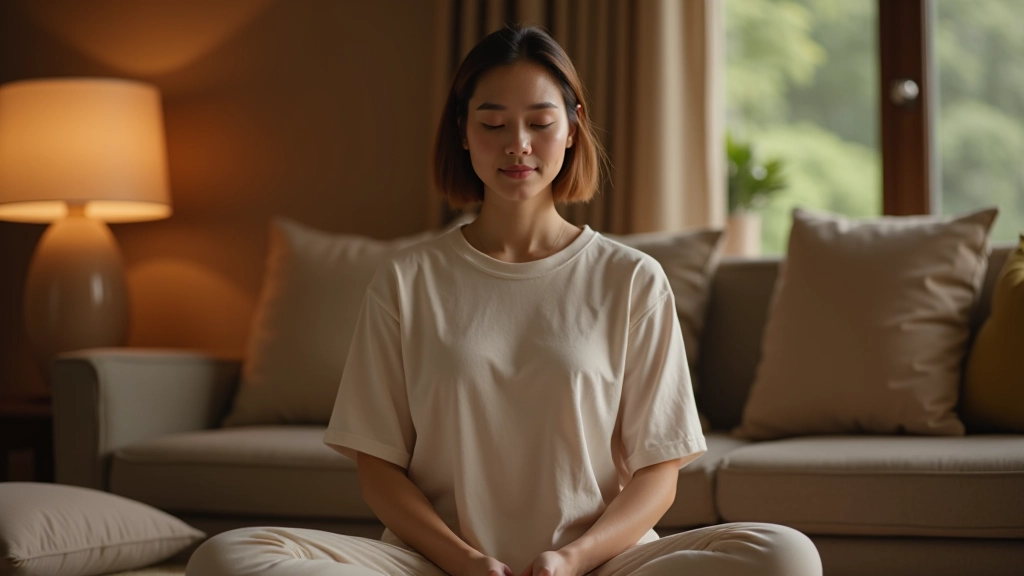
Body Scan Meditation: Step-by-Step Guide
Learn the exact sequence for scanning your body from head to toe, where tension typically hides, and how to release it systematically.
Read GuideDiscover how Langkawi’s serene beaches and natural beauty amplify guided visualization practice. We’ll show you the best spots, optimal times, and specific techniques that work when you’re surrounded by turquoise waters and tropical breezes.
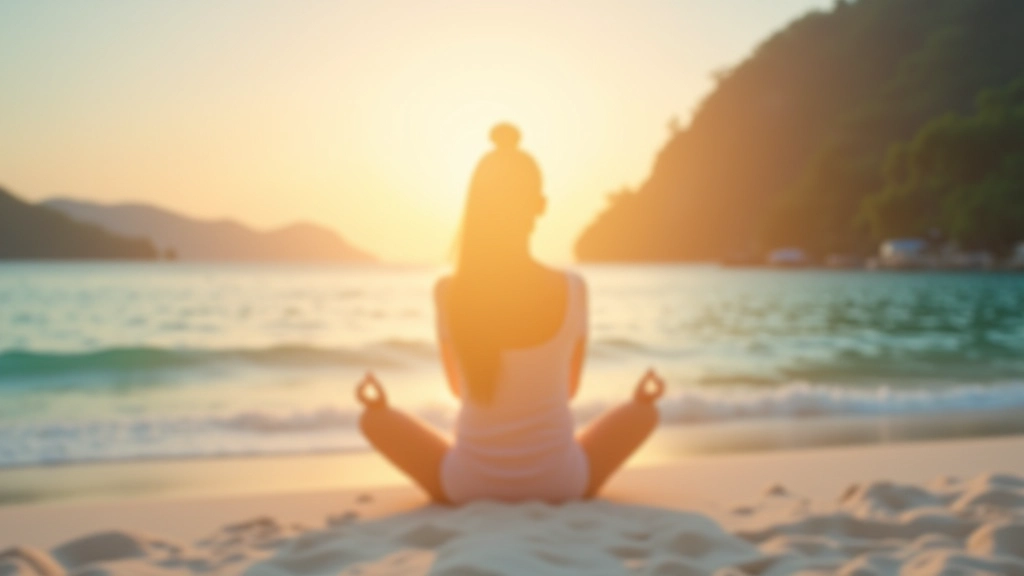

Visualization works best when your environment supports it. Most people try guided imagery in their bedroom or living room — which is fine, but Langkawi offers something different. The island’s combination of natural elements — white sand, warm water, salt air, gentle waves — creates conditions where your mind naturally deepens into imagery.
You’re not fighting against urban noise or the familiar distractions of home. Instead, you’re working with the environment. Your senses are already engaged with the beach, so your visualization practice becomes more vivid and less like work. It’s the difference between imagining yourself on a beach and actually being on one while you imagine.
December to April offers calm waters and clear skies — ideal for uninterrupted practice sessions.
20-40 minute sessions work best. Longer than 40 minutes, and the heat becomes a distraction.
Year-round warmth (27-29C) means you’re comfortable in light clothing without needing heavy layers.
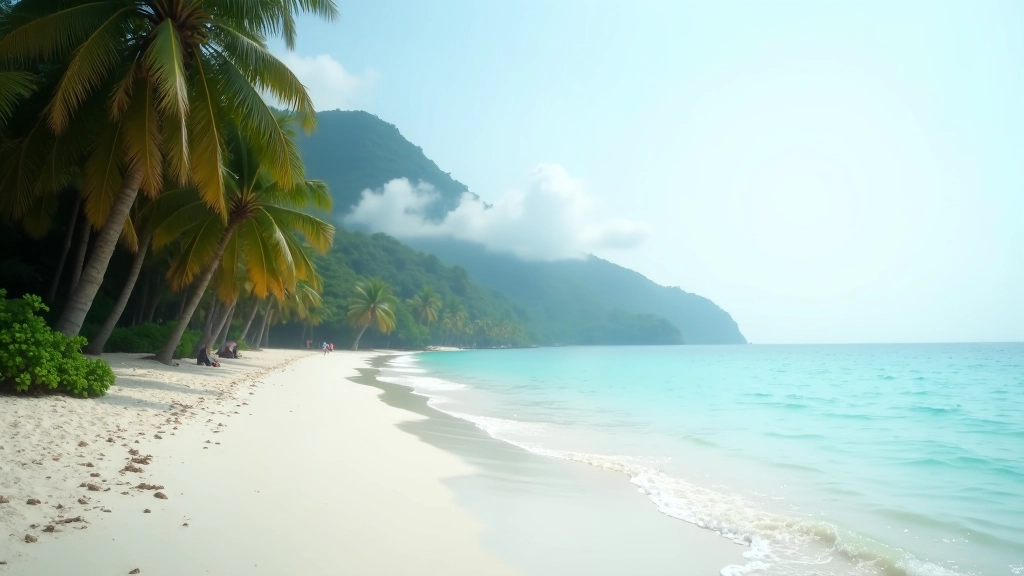
Not all beaches work equally for visualization. You’re looking for places with minimal foot traffic, protected from strong winds, and ideally facing a direction where you won’t be staring directly into sun glare. Three beaches stand out for serious practice.
Pantai Pasir Hitam (Black Sand Beach) on the northeast coast gets quieter after 11 AM. The dark sand absorbs heat differently than white sand, which some people find grounding. The cove shape blocks most wind. Most visitors leave by mid-morning, so you’ll have space between 11 AM and 3 PM. Arrive early, claim a spot under the palms, and you’ve got uninterrupted time.
Tanjung Rhu Beach on the northern tip is longer and less developed. The curved shoreline creates natural pockets of calm. It’s a 45-minute drive from central Kuah, but that distance keeps crowds away. Early mornings here are genuinely quiet — you might see 10 people across the entire 2-kilometer stretch. The trade-off? No facilities nearby, so bring water and sunscreen.
Pantai Cenang is busier overall, but the southern end near Underwater World has quieter sections. Go on weekdays and practice near the rocky outcrops where foot traffic naturally thins out. It’s the most accessible option if you’re staying in central Langkawi.
Standard visualization can feel disconnected when you’re surrounded by real sensory input. You need to adapt. Instead of fighting the beach environment, you integrate it. We call this anchored visualization, and it’s different from what you’d do indoors.
Start with grounding. Feel the sand beneath you — actually notice its temperature and texture. Listen to the waves without judgment. Notice the salt air. Spend 2-3 minutes just being present with these real sensations. This isn’t meditation yet; it’s preparation.
Then transition to your imagery. Instead of visualizing something completely new, imagine something that builds on what’s already present. If you’re visualizing healing, imagine the ocean’s rhythm carrying tension away with each wave. If you’re visualizing confidence, imagine standing with the stability of the beach beneath you. The real environment becomes part of the image.
Most people find this 60% easier to sustain than pure imagination. Your mind stays engaged because it’s working with what’s already there, adding layers of meaning rather than creating from nothing. Practice sessions feel longer because you’re not fighting attention drift.
Timing matters more than most people realize. Early morning (6-8 AM) offers cooler temperatures and fewer people, but the sun’s angle can create glare off the water. Late afternoon (4-6 PM) brings softer light and quieter beaches, though the heat lingers. Overcast days are actually ideal — no glare, softer shadows, comfortable temperature throughout.
Arrive 15 minutes early to scout your exact spot and settle your nervous system before you start.
Bring a small towel — not for drying, but for sitting on sand that’s been warmed by sun. Direct heat can be distracting.
Use sunscreen with high SPF — you’ll be still for 20-40 minutes, and sun exposure becomes noticeable.
Hydrate before you start — drink water 30 minutes before practice, not during, to avoid bathroom trips.
Don’t practice immediately after eating. Your body’s digestion competes with your mental focus. A light snack 1-2 hours before is fine; a full meal should be 3+ hours before.
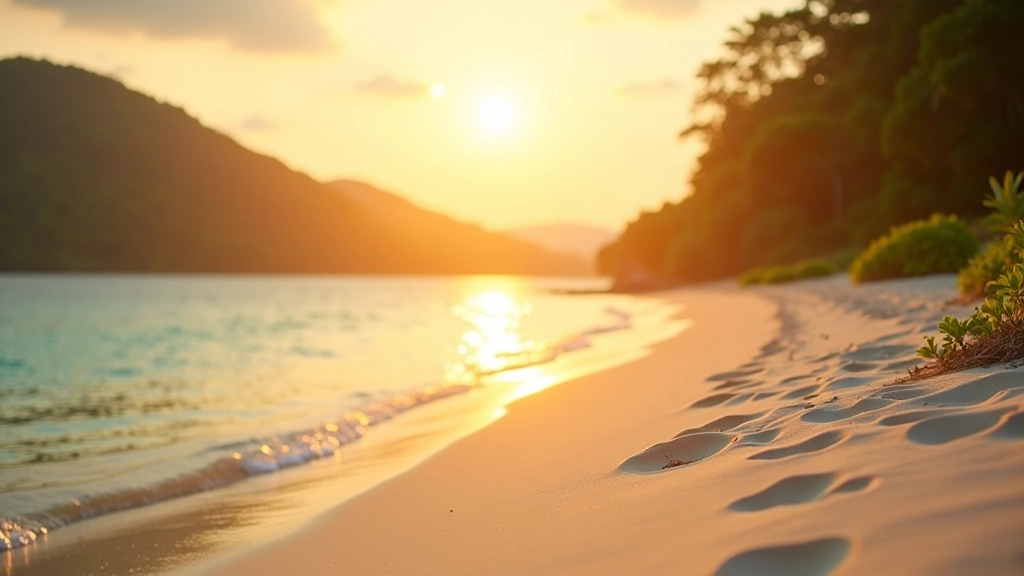
Beach visualization isn’t all smooth sailing. You’ll encounter specific obstacles that don’t show up in controlled indoor settings.
Strong wind breaks focus and makes clothing flap. Solution: Position yourself behind natural barriers — rock outcrops or dense palm clusters. Wear fitted clothing rather than loose fabrics. Check wind patterns before you go; afternoon winds are often stronger than mornings.
Sitting still in tropical heat means sweat and discomfort. Solution: Start earlier in the day, practice in shade, or embrace the heat as part of your sensory anchor. Some practitioners find that acknowledging heat — rather than fighting it — deepens the practice.
Someone will always show up. Vendors, other tourists, even monkeys in some areas. Solution: Use noise-canceling earbuds with gentle soundscapes underneath (ocean waves, rain). This creates a subtle barrier without blocking out nature entirely.
Your mind wants to wander to vacation thoughts, meal planning, or work stress. Solution: Use the 5-sense anchor technique. Every time attention drifts, name one thing you see, hear, feel, taste, or smell. This resets focus without judgment.
Visualization on Langkawi isn’t vacation relaxation — it’s serious practice with real benefits. You’re leveraging a specific environment to deepen your ability to work with imagery. The beach becomes your teacher, not just your backdrop.
Most people who commit to 5-7 beach sessions during a Langkawi visit notice lasting changes in their visualization ability. The vividness stays with them after they leave. The ease of maintaining focus improves. The connection between what they imagine and how it affects their mood becomes undeniable.
That’s not coincidence. It’s what happens when you practice with intention in a place designed by nature to support what you’re doing. Start with the quieter beaches, use the anchored visualization technique, and give yourself permission to adjust based on what works for your mind.
Explore more stress-reduction techniques and meditation guides designed for Malaysian settings.
Browse All GuidesThis article provides educational information about visualization techniques and meditation practices. It isn’t medical advice, psychological treatment, or a substitute for professional mental health services. If you’re managing stress-related conditions, anxiety, or other health concerns, consult qualified healthcare providers or licensed therapists alongside any meditation practice. Beach environments can present physical considerations — sun exposure, heat, and water safety — so practice responsibly and prioritize your physical wellbeing. Visualization is a helpful complement to professional support, not a replacement for it.