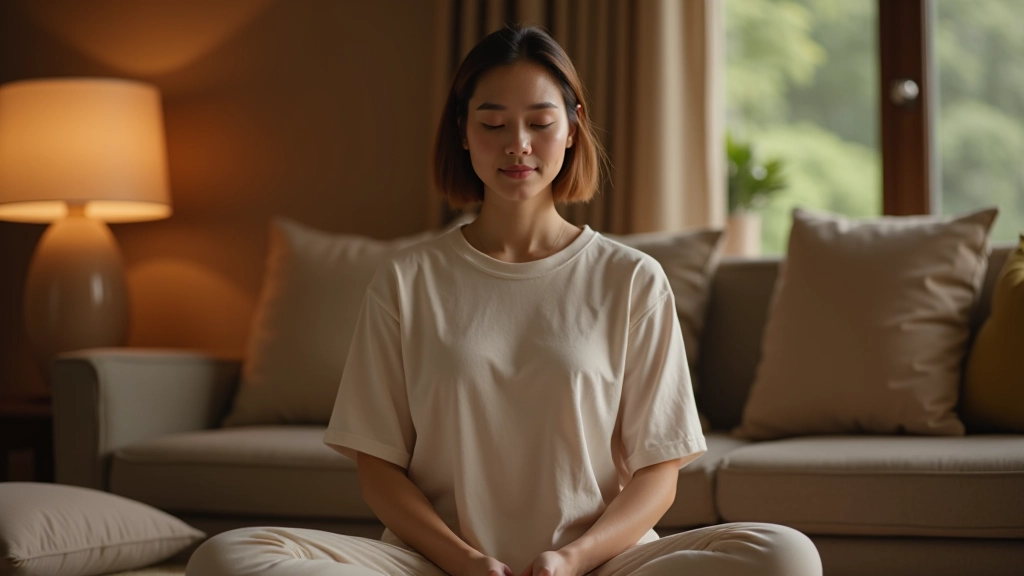
Body Scan Meditation: Step-by-Step Guide
Learn the exact sequence for scanning your body from head to toe, where tension typically hides, and how to release it naturally without forcing.
Learn the exact sequence for scanning your body from head to toe, where tension typically hides, and how to release it naturally without forcing.

Body scan meditation isn’t complicated. It’s you, lying down or sitting comfortably, paying attention to different parts of your body one at a time. Start at your head. End at your toes. Notice what you feel — tension, warmth, tingling, numbness, or maybe nothing at all. That’s the whole idea.
The technique comes from mindfulness practice, but you don’t need years of experience. It works best when you’re relaxed and have about 20-30 minutes to yourself. Many people find that their shoulders drop and their jaw unclenches after just the first few minutes. Your mind quiets down naturally because it’s focused on sensation, not on your to-do list.
Here’s how to do a body scan properly. Don’t rush through it. Each section should get about 30-60 seconds of your attention.
Lie flat on your back on a yoga mat, carpet, or bed. Your feet are about hip-width apart. Arms rest at your sides, palms up or down — whatever feels natural. If lying down isn’t possible, sit in a chair with your feet flat on the ground. You’re aiming for a position you can hold without moving for 20-30 minutes.
Take three deep breaths. Inhale through your nose for a count of 4. Hold for 2. Exhale through your mouth for a count of 4. After the third breath, let your breathing return to normal. Don’t force it. Your breath should feel easy and natural, not controlled.
Close your eyes. Bring your attention to your left foot. Feel the floor or surface beneath it. Notice temperature, texture, any tingling. Is there tension? Tightness? Relaxation? You’re not trying to change anything — just observing. Spend 30-45 seconds here before moving to the sole of your foot, then your ankle.
Shift focus to your calf. Then your knee. Then your thigh. Complete your left leg, then repeat the entire process on your right leg. Most people notice their legs feel heavier or more relaxed after this stage. That’s tension releasing. It’s exactly what we’re looking for.
Move to your lower back and hips. Many people hold stress here without realizing it. Spend extra time if you notice tightness. Then move to your abdomen, your chest, and your upper back. Don’t skip any region. If you find an area that feels stuck or tense, that’s where your body’s been storing stress.
Move to your shoulders — this is critical. Shoulders and neck hold enormous amounts of tension. Spend a full minute here if you can. Feel the weight of your arms. Then move to your arms one at a time: upper arm, elbow, forearm, wrist, hand. Some people feel tingling or warmth in their hands.
Move to your neck. Your jaw — most people clench here without noticing. Your mouth. Your nose. Your cheeks. Your eyes. Your forehead. Your scalp. Finish with your entire head as one unit. Notice if any part feels tight. Release it by tensing those muscles slightly, then relaxing them completely.
Now scan your entire body at once. Don’t focus on specific parts. Just feel yourself as a complete whole. Notice how your body feels different from when you started. You’re probably more relaxed. Your breathing is likely slower. Stay here for 1-2 minutes, enjoying the calm.
Don’t jump up. Wiggle your fingers and toes gently. Take a few deep breaths. Open your eyes. Lie still for 30 seconds. Then slowly push yourself up onto your elbows, pause, and sit up gradually. Moving too quickly can cause dizziness.

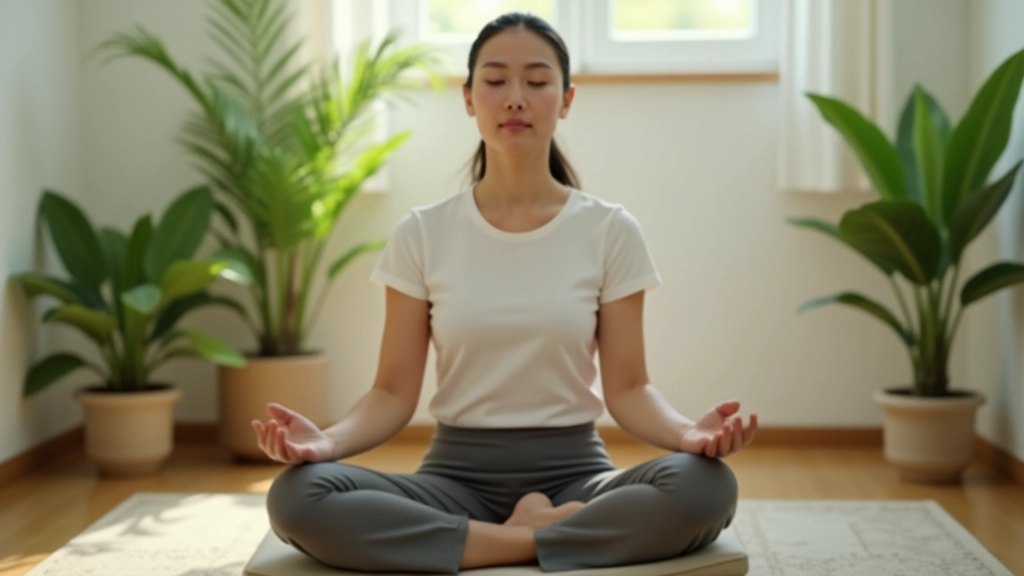
Most people find tension in the same places. Your jaw clenches when you’re stressed — you might not even notice until a body scan brings it to your attention. Your shoulders creep up toward your ears. Your lower back tightens, especially if you sit at a desk. Your neck feels stiff.
The beauty of body scan meditation is that you’re not fighting the tension. You’re noticing it. And once you notice it, your nervous system naturally begins to relax. It’s not willpower. It’s awareness. Your body knows how to relax — it just needs your attention to do it.
These adjustments make a real difference in how effective your practice becomes.
Your body is already tired and ready to relax. Many people do body scans right before bed. It’s the perfect wind-down. You’ll sleep better too.
A cool room (around 18-20C) helps your body relax more deeply. You’re also less likely to fall asleep if it’s slightly cool rather than warm.
Your first few times, follow along with a voice guiding you. After 4-5 sessions, you’ll remember the sequence and can do it silently. This builds confidence.
If an area feels tense, that’s okay. Don’t try to relax it. Just observe. Your body will release it when it’s ready. Forcing creates more tension.
Consistency matters more than duration. Three 20-minute sessions per week beats one 60-minute session. Your nervous system responds to regular practice.
Spend 2 minutes writing down what you noticed. Where did you find tension? What felt different? This builds body awareness over weeks and months.
You won’t feel different after one session. But after 3-4 weeks of regular practice, changes become obvious. People report better sleep within the first 2 weeks. Anxiety decreases noticeably by week 4. Some notice they’re less reactive to stress — they catch themselves tensing up and release it before it builds.
The practice teaches your nervous system that it’s safe to relax. Your fight-or-flight response quiets down. Your parasympathetic nervous system (the “rest and digest” system) activates more easily. Over time, this becomes your default state instead of constant alertness.

You don’t need anything special to start. A quiet space. 20-30 minutes. Your body. That’s it. Your first session will feel awkward. You’ll probably wonder if you’re doing it right. You are. By session three, it’ll feel natural. By week two, you’ll crave it.
Body scan meditation is one of the most accessible meditation techniques. It doesn’t require years of practice. You don’t need to empty your mind or achieve some special state. You’re just paying attention. That’s meditation. And it’s surprisingly powerful.
If you’re looking for retreat spaces where you can deepen your practice, Cameron Highlands offers peaceful settings perfect for longer meditation sessions. But you can start right now, in your bedroom, with nothing but your awareness. That’s where the real work happens anyway.
This article is educational in nature and is intended to provide general information about body scan meditation techniques. It’s not medical advice, and it’s not a substitute for professional mental health treatment. If you’re experiencing anxiety disorders, trauma, or other significant mental health concerns, please consult with a qualified mental health professional or your doctor before starting any meditation practice. Some individuals with certain conditions may need guidance from a trained instructor. Body scan meditation is a supportive tool for stress reduction and relaxation, but it works best alongside a comprehensive wellness approach that may include professional support when needed.